

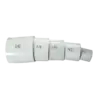


Fiberglass Conduit / FRE Conduit – Corrosion-Resistant Electrical Protection for Harsh Environments
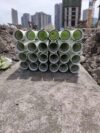
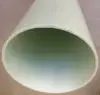
Fiberglass conduit, also known as FRE conduit (Fiberglass Reinforced Epoxy conduit), is a high-performance electrical conduit system designed for environments where traditional steel or PVC conduits fail. Engineered from continuous fiberglass reinforcement embedded in a thermoset resin matrix, FRE conduit delivers exceptional corrosion resistance, mechanical strength, and long service life.
Used worldwide in industrial, infrastructure, and utility projects, fiberglass conduit / FRE conduit provides reliable cable protection in locations exposed to moisture, chemicals, salt air, UV radiation, and extreme temperatures.
What Is Fiberglass Conduit (FRE Conduit)?
Fiberglass conduit / FRE conduit is a non-metallic, non-corrosive raceway system developed for demanding electrical and communication installations. Unlike steel conduit, it does not rust or pit. Unlike PVC, it maintains strength at high temperatures and offers superior impact resistance.
Its lightweight construction simplifies handling and installation while maintaining structural integrity under mechanical stress.
Key Benefits of Fiberglass Conduit / FRE Conduit
Outstanding Corrosion Resistance
FRE conduit is immune to rust, oxidation, and chemical attack. It performs reliably in coastal areas, chemical plants, wastewater facilities, and industrial zones, significantly extending system lifespan.
High Strength-to-Weight Ratio
Fiberglass conduit provides excellent mechanical strength while being substantially lighter than steel, reducing labor effort and installation time.
Non-Conductive & Non-Magnetic
As an electrically insulating material, fiberglass conduit improves safety and eliminates interference with sensitive electrical, data, and communication systems.
Thermal & Fire Performance
FRE conduit retains its properties across a wide temperature range and can be manufactured with low smoke and flame-retardant resins to meet project requirements.
Low Maintenance & Long Service Life
With no corrosion, scaling, or degradation, fiberglass conduit requires minimal maintenance and delivers predictable long-term performance.
Typical Applications
Fiberglass conduit / FRE conduit is widely specified for:
- Power plants and substations
- Oil & gas facilities and refineries
- Chemical and petrochemical plants
- Water and wastewater treatment facilities
- Marine, coastal, and offshore installations
- Tunnels, bridges, and infrastructure projects
- Industrial plants and manufacturing facilities
- Underground and above-ground electrical routing
Its durability makes it ideal for locations where access is limited and long service life is critical.
Available Configurations
Fiberglass conduit systems can be supplied in multiple formats to suit different installation needs:
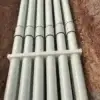
- Straight conduit lengths
- Factory-made elbows, bends, and fittings
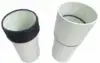
- Couplings and adapters
- Custom diameters and wall thicknesses
- Threaded or adhesive-bonded joint systems
Surface finishes and resin formulations can be customized based on environmental exposure and compliance requirements.
Typical Technical Characteristics
(Values may vary depending on design standards and resin systems)
- Material: Fiberglass Reinforced Epoxy (FRE)
- Electrical Conductivity: Non-conductive
- Corrosion Resistance: Excellent
- UV Resistance: Suitable for outdoor exposure
- Temperature Resistance: Wide operating range
- Weight: Significantly lighter than steel conduit
Technical data can be customized to meet local codes, industry standards, and project specifications.
Installation Advantages
- Lightweight sections reduce lifting equipment requirements
- Easy cutting using standard abrasive or diamond tools
- Non-metallic system eliminates grounding concerns
- Factory-fabricated fittings reduce on-site labor
- Suitable for both underground and exposed installations
Proper installation following manufacturer guidelines ensures optimal performance.
Why Choose Fiberglass Conduit / FRE Conduit Over Steel or PVC?
Compared to steel, fiberglass conduit offers zero corrosion, lower lifetime cost, and easier handling.
Compared to PVC, it delivers higher strength, better temperature resistance, and improved fire performance.
For projects requiring durability, safety, and long-term reliability, fiberglass conduit / FRE conduit is the preferred solution.
Frequently Asked Questions (FAQ)
Q1: Is fiberglass conduit suitable for underground use?
A1: Yes. FRE conduit performs exceptionally well underground due to its corrosion resistance and structural stability.
Q2: Does fiberglass conduit require grounding?
A2: No. Being non-conductive, fiberglass conduit does not require grounding like metal systems.
Q3: Can fiberglass conduit be used outdoors?
A3: Yes. It is UV-resistant and suitable for prolonged outdoor exposure.
Q4: How long does fiberglass conduit last?
A4: When properly installed, fiberglass conduit systems can provide decades of service life with minimal maintenance.
Q5: Can fittings be customized for projects?
A5: Yes. Custom bends, fittings, and connection systems can be manufactured to meet project drawings.
Q6: Is fiberglass conduit fire-resistant?
A6: Fire-retardant resin systems are available to meet specific fire and smoke performance requirements.
Conclusion
Fiberglass conduit / FRE conduit offers a modern, reliable, and cost-effective solution for electrical and communication protection in harsh environments. With superior corrosion resistance, lightweight handling, and long-term durability, it is an ideal alternative to steel and PVC conduit systems for industrial and infrastructure projects.
